About Plantime

Scheduling is a math problem. We're treating it like one.

Plantime exists because every restaurant manager and shift planner we talked to said the same thing: the tools they used had digitised the problem without solving it. They were still spending half a day a week dragging shifts around a grid.

01 - Background

The underlying problem is one of the most studied in operations research.

Fitting people to shifts under constraints - availability, skills, hours, labor cost, fairness, compliance - has decades of mathematics behind it. And yet most of the scheduling software on the market still hands the manager a blank grid and asks them to solve it by hand.

So we built a scheduling tool around the algorithm, not the spreadsheet. The UI exists to express constraints and review what the engine produced. The hard part - assignment - runs underneath.

What we replaced

A digital grid you fill by hand.

Drag-and-drop cells. Conflict warnings after the fact. Manual reshuffles every time someone calls in.

Mon
Tue
Wed
Thu
Fri
Sat
Sun
A.K.
8-12
12-18
8-14
M.S.
10-16
10-16
14-22
18-24
J.R.
14-22
10-16
14-22
18-24

What we built

An optimization engine. A grid is an output.

You describe the constraints once. Plantime searches for the best assignment - preferences honored, hours balanced, coverage met.

Mon
Tue
Wed
Thu
Fri
Sat
Sun
A.K.
8-14
12-18
8-14
M.S.
10-16
14-22
12-18
18-24
J.R.
14-22
10-16
10-16
18-24
12-18

Research roots

Years of theory at FHNW and ETH Zürich before a single line of product code. Scheduling has been our problem since long before it was our product.

02 - The team

Three people. One question: can the math actually run the schedule?

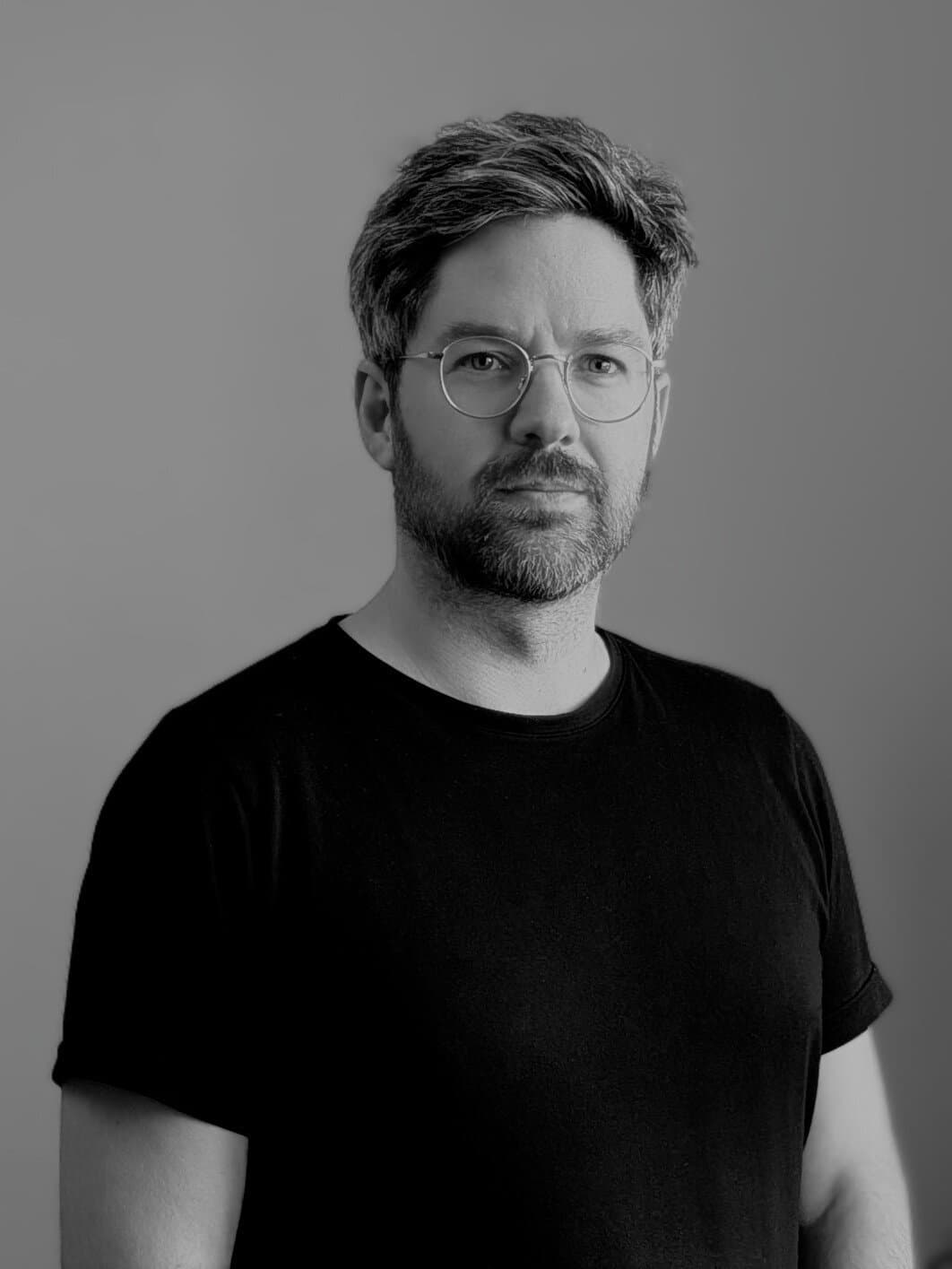
Christopher Scott

Christopher Scott

Co-founder · Product

Wrote his master's thesis on scheduling algorithms, then spent 11 years as CTO at iMusician, building software used by tens of thousands of musicians. Plantime is what happens when those two things meet.

Product engineeringex-CTO, iMusician
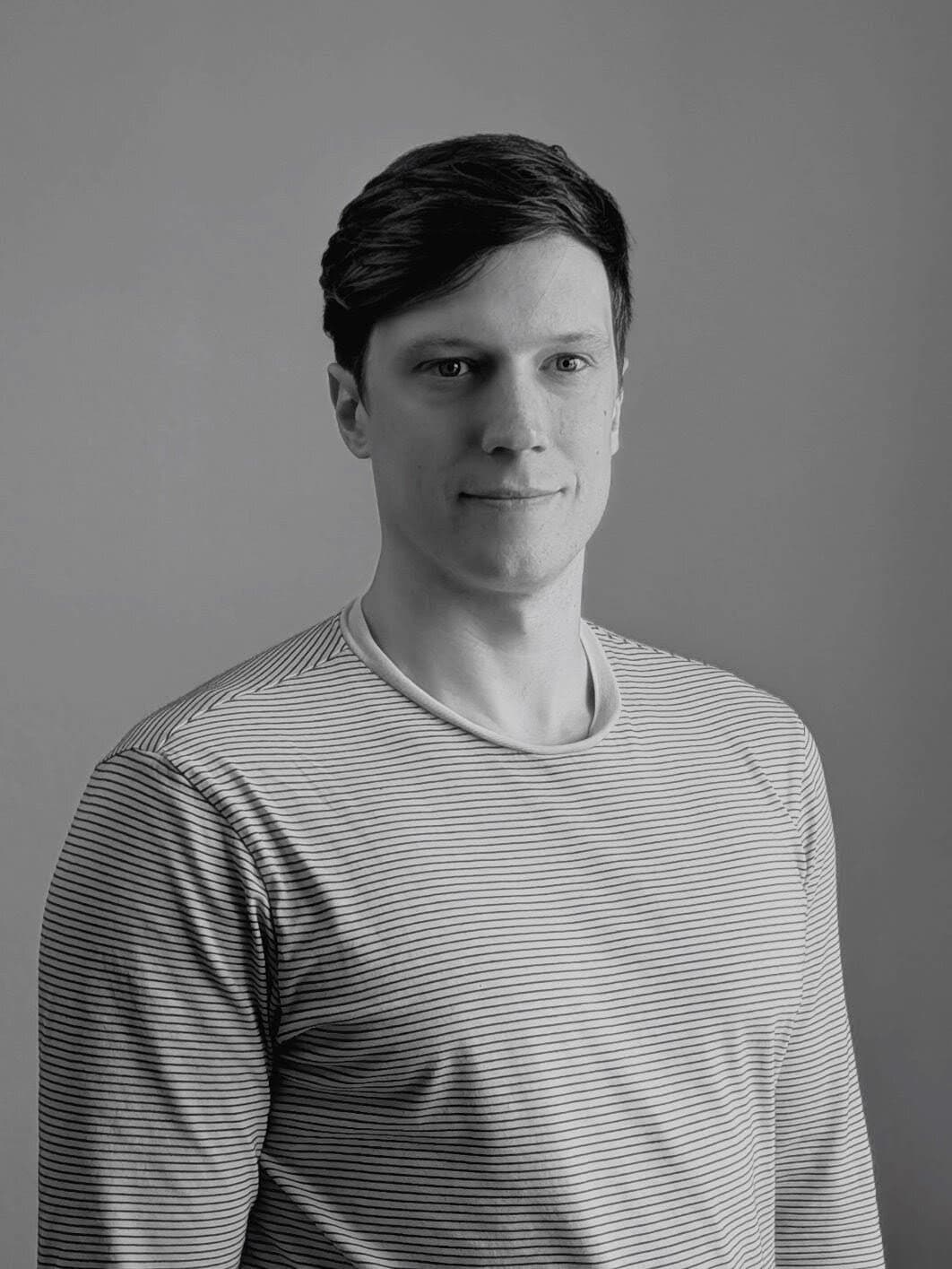
Diego Renner

Diego Renner

Co-founder · ML

Master's degrees in Mathematics and Computer Science from ETH Zürich. Builds the optimization engine behind Plantime - the algorithms that actually generate schedules, not just store them.

ETH Zürich · 2x MScScheduling algorithms
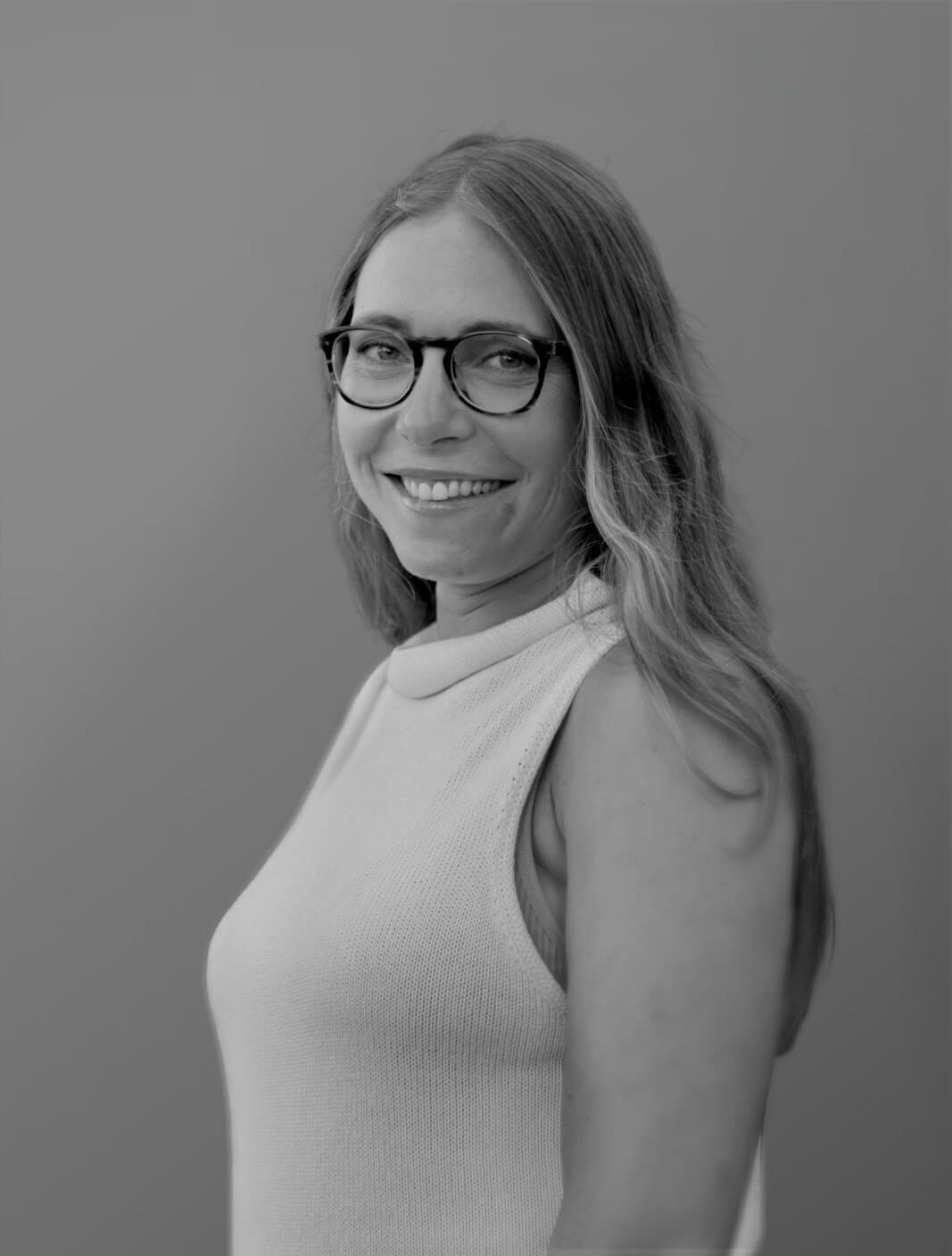
Julie Buchik

Julie Buchik

Growth · Go-to-market

Makes sure the teams who need this find us. Helps shape product strategy and aligns what we build with real customer needs.

Customer discoveryEU + CH markets

03 - Why the AI is free

The algorithm is the product. Gating it would defeat the point.

Every other scheduling tool we've seen treats AI auto-scheduling as a premium upsell. We think that's backwards. Charging more for the part that actually saves you time means the people who'd benefit most never see it.

So auto-scheduling is on every plan, including the free one. Paid tiers exist for approvals, time tracking, compliance, and reporting - the things larger teams genuinely need on top.

Auto-scheduling. On every plan.

We'd rather the engine be the reason you stay than the reason you upgrade.

Competitor A · "AI assist"Enterprise tier
Competitor B · "Auto-schedule"Add-on, per seat
Competitor C · "Smart scheduling"Upgrade required
Plantime · AI plannerFree, forever

04 - Where we are

Based in Basel. Built for teams around the world.

Basel
47.5596° N7.5886° E

Basel,
Switzerland

Infrastructure

EU data centres

Vercel & Supabase, Frankfurt. Data stays in the EU.

Customers today

Hospitality & manufacturing

Shift-based teams worldwide — from hospitality floors to factory lines.

How we build

Week to week, with operators

The roadmap is shaped by what teams actually tell us - not what we imagine they want.

Want the math to make the schedule?

Start free